
Cabinets in Silver Spring, MD
Explain the storage problem before comparing cabinet collections.
Send my cabinet inquiry
Or call (562) 203-3232. Calls only, we do not receive text messages.
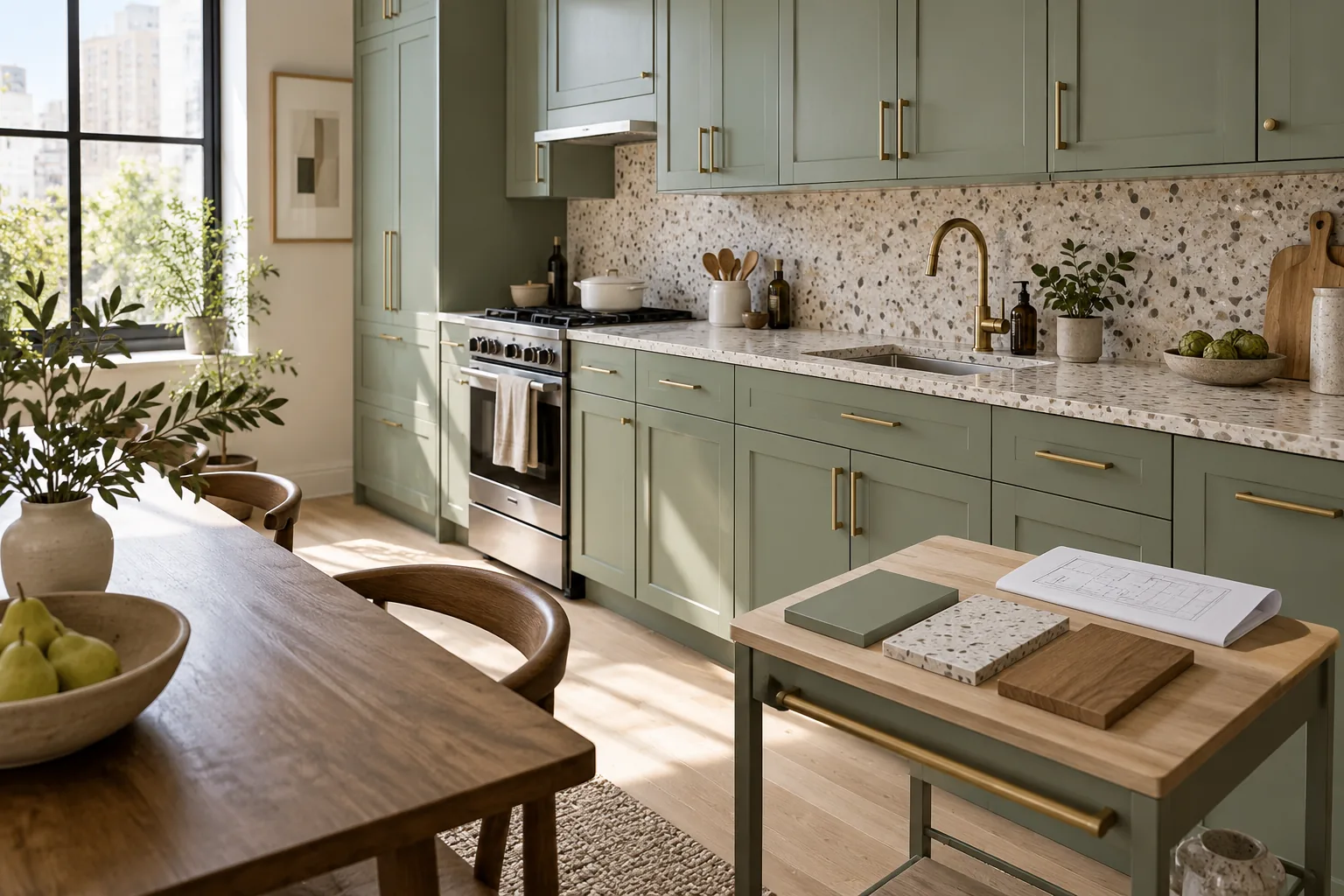
Buying cabinets in Silver Spring begins with deciding what the purchase should accomplish. A worn kitchen, a missing storage run and a bathroom replacement need different information. Silver Spring Cabinet Avenue explains how to turn uncertainty into a project brief before comparing proposals. Start with the room you have, the changes you want and the decisions you have not settled.
- Independent buying guidance
- Product inquiries
- Seller availability confirmed separately
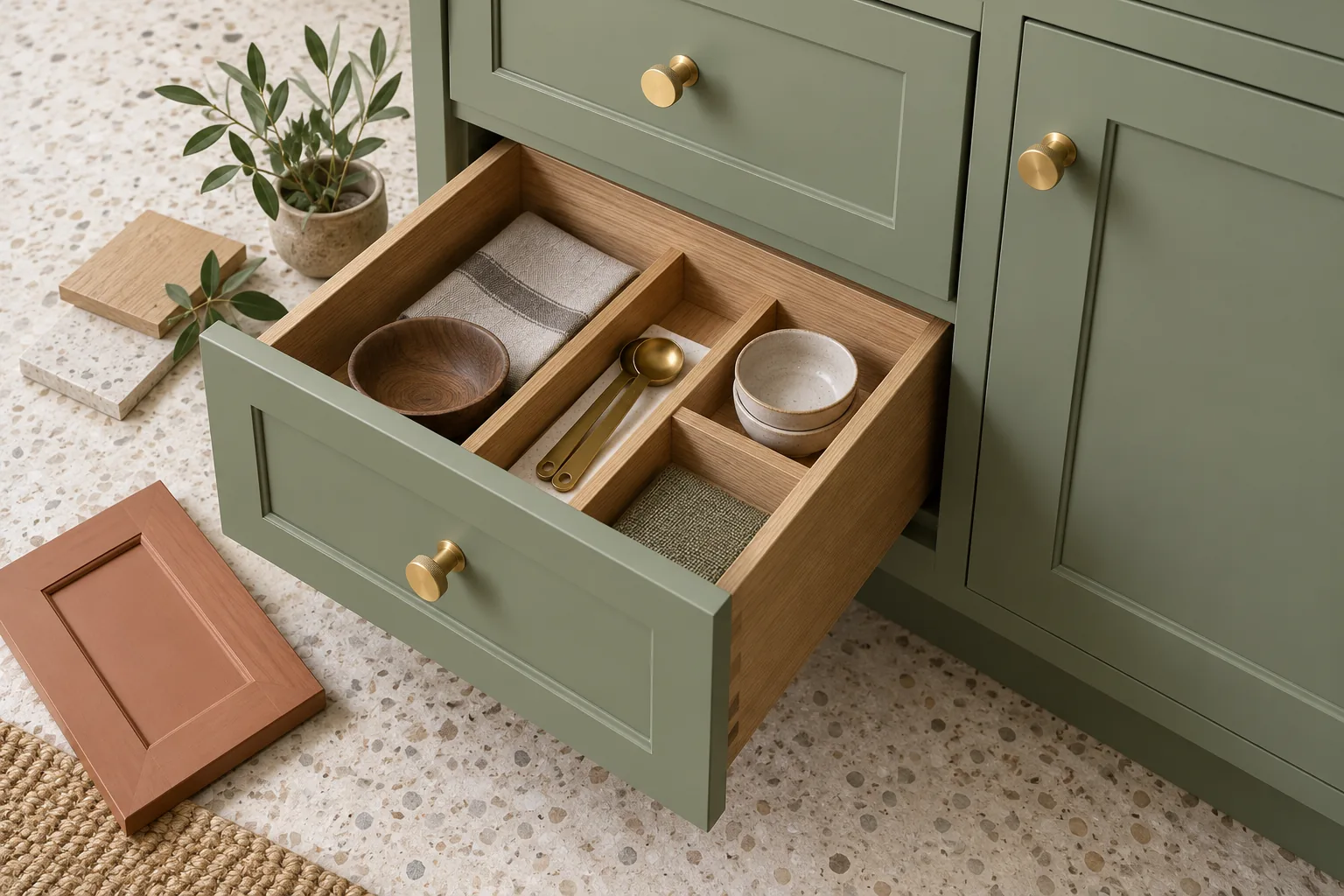
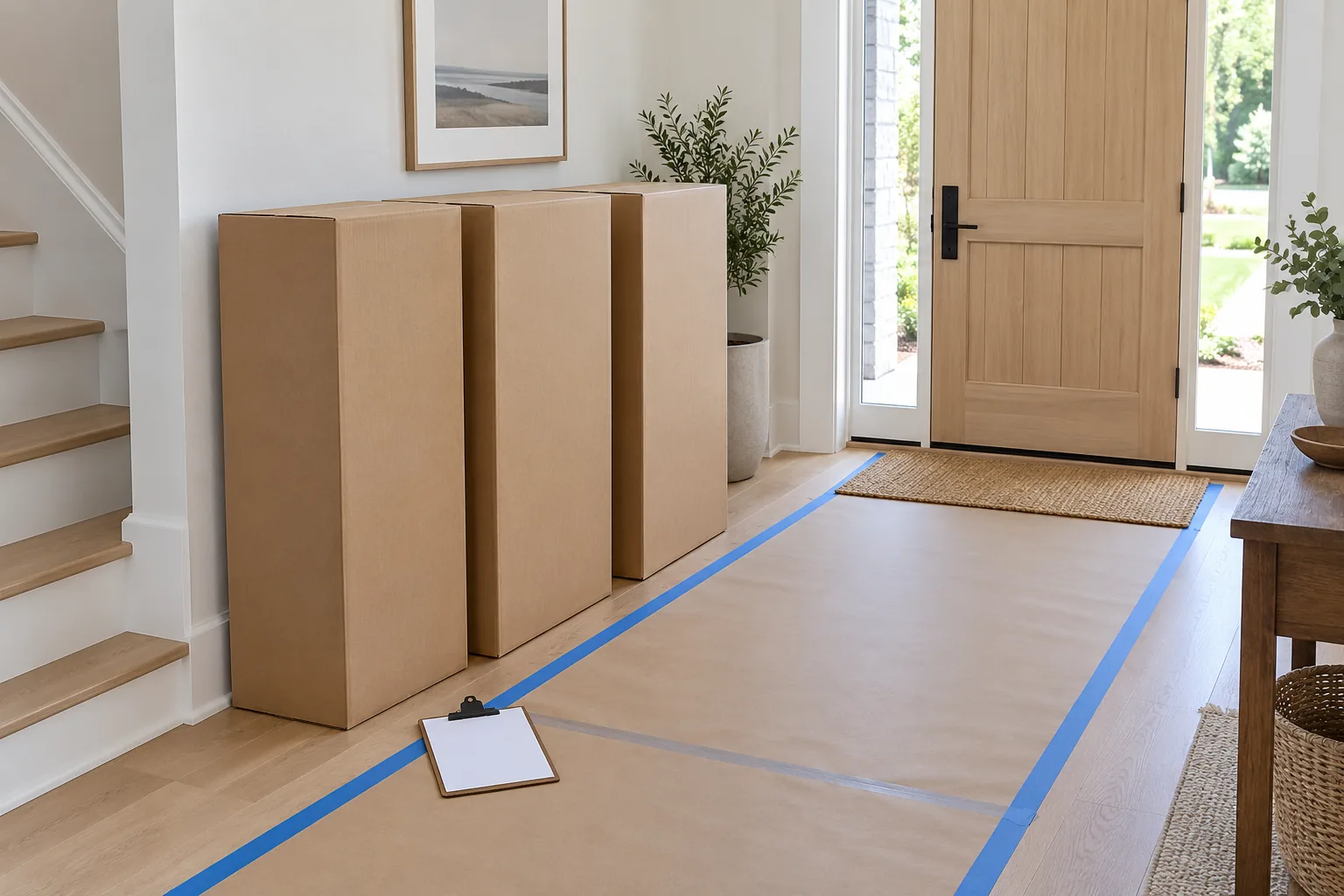
Cabinet product illustrations
Illustrative product visualizations, not completed work, local properties or supplier facilities.
Prepare the purchase before choosing a supplier
The site owner records and reviews inquiry details. Before information can reach another recipient, you must consent and that recipient must actually accept the inquiry; submitting a form does not secure a seller or response. Use these articles to prepare your own buying record, with measurements, priorities and questions you can take to independently chosen contacts.
About Silver Spring Cabinet Avenue
Know who handles each part
Independent cabinet buying information and quote-request service. We do not manufacture, stock or install cabinets. A referral, supplier response, appointment or purchase is not guaranteed. Product availability, delivery and installation must be confirmed directly with the seller or separately engaged contractor.
Describe the problem before choosing a collection
A useful first page contains three descriptions: what frustrates you today, what must stay and what would count as a successful purchase. “More storage” is too broad to price. “Put everyday dishes within reach without blocking the dishwasher” gives a planner something to test. Photograph the affected area and identify the objects you want to store. Capacity can be judged against actual belongings rather than an attractive empty display.
Separate necessities from preferences. A refrigerator opening that fits your retained appliance is a necessity; a particular drawer arrangement might be negotiable. If everyone discussing the project uses the same priority list, a cheaper proposal can be assessed without losing the original goal. For a hypothetical buyer retaining the sink location, opening dimensions and plumbing position belong at the top of the brief. Door color belongs below them. This is a way to describe a project, not a finding about Silver Spring housing or layouts.
Keep existing and proposed room records apart
Mixing current dimensions with future assumptions causes confusion. Label one drawing “existing” and another “proposed.” Put the measurement date, the measuring person and hidden areas on the first drawing. Put intended changes and unresolved choices on the second. A wall concealed behind furniture cannot become a verified dimension merely because software draws a straight line there.
The US guide published by IKEA asks for measured room information alongside details of appliances staying in place. Apply that preparation habit without assuming another seller uses IKEA sizes or procedures. Mark windows, door openings and utility locations, then list appliance models where known. A measurement that matters to ordering should have a named party responsible for checking it. Write “preliminary” beside uncertain figures. That notation distinguishes an early discussion from permission to order a box. Take photographs that show the measurement references, so a later conversation can identify the location rather than guessing which wall the number describes.
Let East County geography direct your questions
Montgomery Planning groups Silver Spring with Wheaton, Takoma Park and White Oak in its East County community information. That supplies a geographic reading path, not receiving conditions at your address. Choose the locality article matching the actual project, then confirm the municipality, room and destination directly. A proposal mentioning a nearby community provides no confirmation of acceptance for this particular order.
Keep address facts separate from product facts. Your product sheet can describe the same drawer configuration regardless of its destination. Your address sheet describes the actual receiver and constraints you have checked. If the property is managed, ask its responsible contact about applicable arrangements. Otherwise, do not invent an elevator or association process because another buyer needed one. Keeping these facts apart avoids borrowing assumptions from regional planning language. It also lets you change a transport request without rewriting a cabinet schedule that remains accurate for the room itself.
Demand a product identity behind quality language
“Premium” gives you little to compare. Ask for the proposed line name, box material, drawer construction, hinge details and finish identification. Record which answers are documented and which are sales descriptions. A sample door helps with appearance but does not demonstrate an entire cabinet’s construction. A drawer photograph cannot establish the hardware supplied with your order.
KCMA identifies ANSI/KCMA A161.1-2022 as a standard addressing cabinetry performance and construction, including vanity products. If certification matters to your decision, request evidence tied to the precise proposed line. No product here is represented as certified. Compare alternatives using the parts relevant to your priorities. A buyer concerned about heavy cookware may ask different questions from someone matching a retained floor. Save specification sheets with the proposal they support, including the date received. When a collection changes between conversations, ask whether the earlier construction evidence still describes the item now being offered.
Assemble a cost estimate with visible unknowns
For this early Silver Spring brief, use a category worksheet rather than an invented local price range. Create rows for boxes, exposed ends, accessories, freight and separately engaged assembly or installation. Write “unknown” where no proposal exists. Do not add a guessed number to make the page look complete. A visible unknown identifies the question that will change the budget.
Keep optional items in their own column. In a hypothetical kitchen, replacing an open shelf with a wall unit changes both the product list and arrangement; selecting another handle changes a different line. Those decisions should not disappear into one total. Preliminary amounts are subject to change as selections become definite. Confirm purchase cost through a written quote naming approved items and exclusions. FTC home improvement guidance supports comparing estimates with clear scope, materials, timing and price. Date your worksheet so an older figure does not appear to represent a newly approved design.
Make the next conversation resolve one decision
A brief should end with a specific question. “Can you price this dated list with transport identified separately?” is more useful than “What do cabinets cost?” If the list is unfinished, ask what additional dimensions are needed. Attach replies to the version they discuss, so confirmation about an earlier layout is not mistaken for an answer about the newest one.
When using this site’s inquiry form, explain your decision stage and include information needed to understand that question. Owner review is distinct from any potential outside conversation. A recipient must agree to take the inquiry, and you must consent to sharing. Preserve a copy of your submission so you can recognize what an eventual discussion is based on. Avoid scheduling other work around a form submission alone. A buying record becomes actionable when the relevant parties confirm their commitments. Until then, keep the unresolved question on your checklist instead of treating silence as acceptance.
Inquiry process
From buying questions to a possible supplier quote
Sending an inquiry does not reserve products or book work.
Describe the purchase
Include project ZIP, room, approximate cabinet list and preferred timing.
Clarify requirements
Identify assembly, access, measurements and any separately arranged labor.
Confirm referral availability
An inquiry can be referred only if a suitable seller accepts the location and product request.
Review seller terms
Confirm the final drawing, itemized price, payment, delivery and return terms directly before ordering.
Local buying information
Local inquiry guides
Questions
Questions Silver Spring homeowners ask
What should I settle before seeking product proposals?
Identify the room, retained fixtures, main storage problem and nonnegotiable fit constraints. Leave undecided preferences visible. A respondent can then explain which remaining choices must be fixed before a dependable product schedule can be priced.
Can I purchase cabinetry through this information site?
An inquiry goes to the owner for recording and review. It does not create a product sale. Any possible outside sharing requires permission and a recipient willing to accept the actual project; no contact or response is secured by submission.
How can I avoid comparing different project scopes?
Send each contact one dated brief and item list. Request explicit deviations, allowances and exclusions. Resolve those differences before ranking totals, because an omitted end panel or changed drawer arrangement affects usefulness as well as cost.
Does East County context establish delivery availability?
No. The planning grouping identifies communities. Obtain destination acceptance from the proposed seller together with a definition of its transport handoff. Coverage, transport dates and handling remain unresolved until that party confirms them.
Send my cabinet inquiry
Or call (562) 203-3232. Calls only, we do not receive text messages.
Talk to us about your project
Describe the purchase and project ZIP in Silver Spring. Supplier acceptance and any referral are confirmed separately; no visit or quote is booked by this form.
Calls only, we do not receive text messages.